Car Bluetooth Adapters A Practical Guide to Upgrading Your Car Audio Experience
Car accessories
|
April 11, 2026
Understanding Car Bluetooth Adapters
Car Bluetooth adapters have become essential tools for integrating smartphones and other devices into automotive audio systems. These gadgets empower drivers and passengers to enjoy music, take calls, and access navigation systems hands-free, enhancing safety and convenience on the road. This article delves into the various types of Bluetooth adapters available, from straightforward plug-and-play models to those with advanced functionalities. We also provide essential guidance to aid you in making informed decisions when selecting a Bluetooth adapter, highlighting important features to consider and common pitfalls to avoid. By understanding these components, you can significantly upgrade your car audio experience while ensuring you stay connected during your travels.
The Necessity of Car Bluetooth Adapters in Today's Vehicles
Despite the technological advancements in modern vehicles, Bluetooth adapters remain incredibly relevant, offering notable advantages over traditional audio connections like AUX cables or CD players. One significant benefit is the convenience of wireless connectivity; Bluetooth technology allows drivers to connect their smartphones effortlessly without the hassle of tangled cords. This feature is crucial for maintaining a distraction-free environment while driving, enabling hands-free calling and music streaming with simple voice commands.
Consider the example of a busy professional who frequently receives calls during their commute. With a Bluetooth adapter, they can answer calls directly through their vehicle’s audio system, ensuring that they stay focused on the road ahead. Additionally, Bluetooth adapters often support various audio formats, providing superior sound quality compared to older analog connections. Furthermore, these gadgets typically include features such as automatic device pairing, resulting in a seamless user experience. As vehicles continue adopting smart technology, the adaptability and user-friendliness of Bluetooth ensure it remains an indispensable tool for enhancing the overall driving experience.
Exploring AUX Bluetooth Adapters
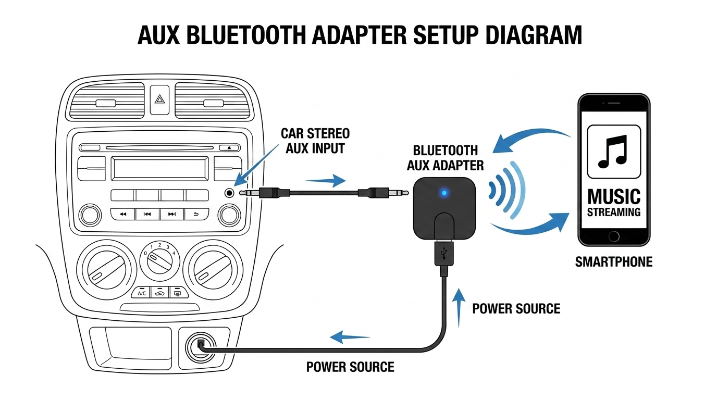
AUX Bluetooth adapters are designed to connect to a car's AUX input, offering a straightforward method for streaming music wirelessly from smartphones or tablets. These adapters are often plug-and-play, making them incredibly user-friendly. Users appreciate the straightforward setup process that requires no complex configurations or additional installations. When it comes to audio quality, AUX adapters generally deliver superior sound with minimal latency, as the audio transmission occurs directly through the AUX jack rather than relying on radio frequencies.
However, reliability can differ depending on the brand and model of the adapter, with some users reporting mixed experiences regarding connectivity stability, particularly in vehicles equipped with older sound systems that may not fully support Bluetooth technology.
Understanding FM Transmitter Bluetooth Adapters
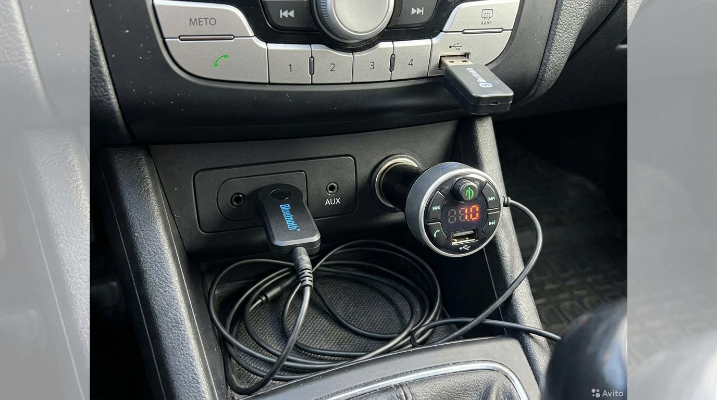
FM transmitter Bluetooth adapters function by connecting to a mobile device and broadcasting audio via an FM radio frequency, allowing it to be picked up by the car radio. One notable advantage of these adapters is their affordability and ease of use, as they often require no installation aside from tuning to the appropriate frequency. However, they have their drawbacks; sound quality can deteriorate due to interference from local radio stations or other signals, leading to a less-than-stellar audio experience. Connectivity can also prove inconsistent, especially in areas with congested radio bands. Users typically weigh these factors and often opt for FM transmitters as a temporary solution until a more reliable system can be installed.
Advantages of USB Plug-In Bluetooth Receivers
USB plug-in Bluetooth receivers offer a seamless option for modernizing older car audio systems. By simply connecting to a USB port, these adapters can conveniently convert auxiliary inputs into Bluetooth-capable ones, facilitating music streaming without unnecessary hassle. Users appreciate the freedom these receivers provide, as they usually feature straightforward pairing processes and deliver stable connections.
One significant advantage of using USB plug-in adapters is that they enable the simultaneous charging of devices, extending the usability of smartphones during longer drives. It’s recommended to ensure compatibility between the adapter and the car's operating system for optimal performance, resulting in a dependable audio experience that fully leverages the latest Bluetooth technology in a user-friendly manner.
Comparing Built-In Bluetooth Car Kits and External Adapters
When considering built-in Bluetooth car kits versus external adapters, assessing your driving habits and conditions is paramount. Factory-installed Bluetooth systems typically offer integrated functionality with less interference and better performance, appealing to those who prioritize seamless connectivity. However, aftermarket Bluetooth adapters can be a smarter investment for frequent travelers seeking flexibility and compatibility with various devices.
The choice ultimately boils down to personal preference and usage; for individuals who primarily drive on highways, a built-in system may provide satisfactory quality. In contrast, those navigating urban environments with frequent stops might benefit from the adaptable solutions offered by external adapters, which can be easily switched or upgraded as needed. Evaluating these factors will help drivers select the best Bluetooth solution for enhancing their audio experience.
What Constitutes a Quality Car Bluetooth Adapter
A quality car Bluetooth adapter can significantly enhance your driving experience. Key factors include audio stability, which ensures clear and uninterrupted sound quality, essential for enjoying your favorite tunes or engaging in hands-free calls without frustrating dropouts. Additionally, ease of pairing is crucial; the best adapters connect to your devices quickly, allowing you to focus on the road rather than wrestling with technology.
Range is also important, as superior adapters maintain connectivity even at a distance, minimizing the hassle of being tethered to your device. Moreover, features like hands-free functionality enhance convenience, enabling you to take calls safely without compromising your focus. Seek adapters with user-friendly interfaces and additional features like charging ports or voice assistant compatibility to maximize your audio experience on the go.
Common Pitfalls When Choosing Bluetooth Adapters
When selecting a Bluetooth adapter for their vehicles, drivers often encounter several common challenges. A notable error is overlooking compatibility issues; many users purchase adapters that fail to sync seamlessly with their car models or smartphones, leading to frustrating connection problems. Another frequent misstep involves prioritizing price over quality — a cheaper adapter might seem appealing initially, but it often sacrifices performance and durability.
Furthermore, drivers frequently hold unrealistic expectations about the sound quality and range capabilities of budget-friendly options, resulting in disappointment when their actual performance doesn't align with their needs. Many users underestimate the importance of user reviews and brand reputation, leading to choices that complicate rather than enhance their audio experience. Ultimately, being mindful of these traps can empower drivers to make smarter, more informed decisions, ensuring better integration of technology into their everyday journeys.
The Impact of Car Audio Systems and Driving Styles on Your Choice
The effectiveness of Bluetooth adapters can vary significantly based on the car audio system in use. Older models with limited connectivity options may struggle with newer adapters, potentially resulting in connectivity issues or subpar audio performance. In contrast, modern car audio systems, designed with Bluetooth in mind, typically provide smoother connections and improved sound quality, enabling users to take full advantage of their adapters' capabilities. Therefore, when selecting an adapter, it's essential to consider compatibility with your existing system.
Moreover, personal driving habits can greatly shape your choice of Bluetooth adapter. Urban commuters may prioritize compact and easily portable options that can effortlessly connect and disconnect as they hop in and out of their cars. Alternatively, those who frequently embark on long road trips might prefer adapters with a broader range and advanced features like multi-device pairing and enhanced audio quality, maximizing their listening experience over extended periods. Understanding how your car’s audio system interacts with Bluetooth technology, combined with your specific driving style, can lead to a more satisfying audio journey and more intelligent purchasing decisions.
Transforming Your In-Car Audio Experience
In an era where seamless connectivity is key to enhancing our driving experiences, selecting the appropriate Bluetooth adapter is essential. As outlined in this guide, prioritize audio quality, compatibility with your vehicle, and the types of connections offered—whether they are auxiliary inputs, USB connections, or built-in systems. Look for user-friendly features such as voice commands and built-in controls. Investing time in understanding these elements can lead you to an adapter that genuinely suits your needs and driving habits. Remember, the ideal Bluetooth adapter not only improves your audio experience but also ensures safety by minimizing distractions. Make decisions that align with your preferences, lifestyle, and sound quality aspirations to effectively transform your in-car audio experience.
Related Posts
Why Dash Cams Are Becoming Essential for Modern Drivers

Best Car Accessories for Women Style, Safety Everyday Comfort

Top 10 Upcoming SUVs Everyone Is Waiting For in 2026 and Beyond

13 Best Accessories to Survive Long Traffic Hours Without Losing Your Mind

Best New Cars for Daily Driving in 2026 Maximum Comfort, Minimum Fuel Costs